
- Bike insurance protects you from financial liabilities due to accidents, theft, natural disasters, or damages to others.
- Two-wheelers are more prone to road risks, making insurance extremely essential.
Accidental Damage Cover: Repairs or replaces damaged bike parts after accidents.
Third-Party Protection: Mandatory cover for injury or property damage caused to others.
Protection from Theft: Provides compensation if the bike is stolen.
Natural Calamity Coverage: Covers floods, storms, earthquakes, and fire.
Personal Accident Cover: Financial aid in case of rider injury or disability.
Third-Party Insurance: Basic and legally required insurance.
Comprehensive Insurance: Covers own damage and third-party losses.
Standalone OD Cover: Protects against accidental and non-accidental damages.
Zero Depreciation: Maximum claim without depreciation deduction.
Roadside Assistance: Help during breakdowns, towing, fuel shortage, etc.
Engine & Gearbox Protection: Covers water entry or lubrication-related damage.
Accessories Cover: Protection for LED lights, crash guards, and other accessories.
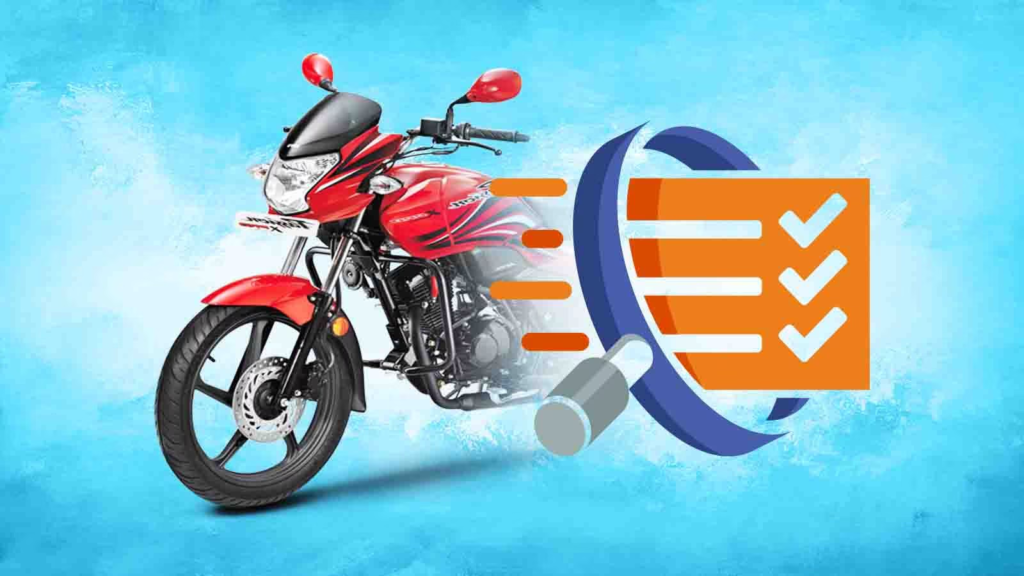
Provides financial safety from unpredictable road accidents and risks.
Helps you comply with legal requirements under motor laws.
Saves high repair costs for accidental and mechanical damages.
Essential protection for daily commuters and long-distance riders.
Evaluate your bike’s age, model, and usage pattern.
Choose a plan with an adequate IDV for balanced coverage.
Compare premiums along with coverage features.
Select necessary add-ons for enhanced protection.
Check the insurer’s claim settlement ratio before buying.
Renew on time to avoid penalties and policy lapse.
Install anti-theft devices to reduce premium cost.
Maintain riding discipline to avoid frequent claims.
Preserve your No-Claim Bonus to enjoy discounts.